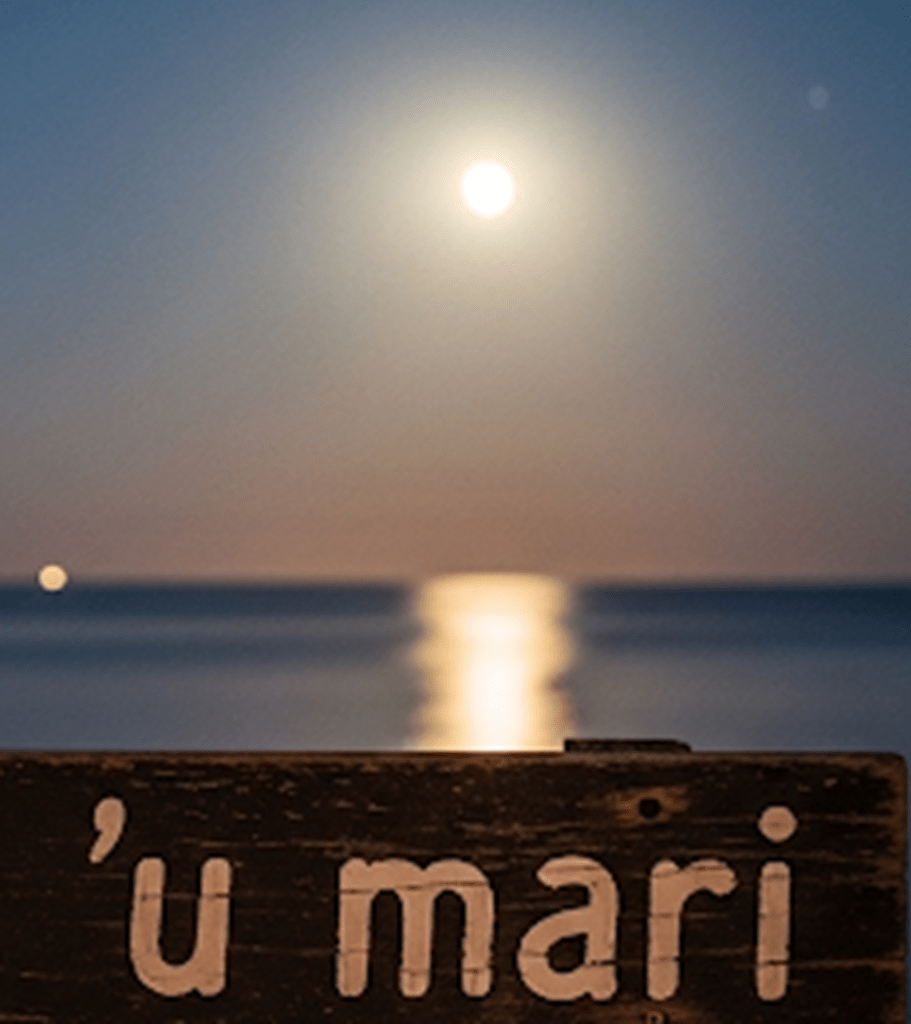
“Sulu Mari”, a Sicilian modern trobadoricu poem, it’s a deeply evocative piece. The lyrics paint a powerful picture of being lost at sea, which is a classic metaphor for life itself.
“Sulu Mari” utilizza la metafora del viaggio per mare per esplorare la condizione umana. Attraverso immagini potenti e contrastanti, il brano si muove liricamente tra disperazione, speranza, e una ricerca di significato in un’esistenza che appare spesso priva di risposte.
RICERCA Esistenziale
Il tema centrale: la vita come un viaggio difficile e privo di meta. I “naviganti inesperti” su un “mari senza funnu” simboleggiano l’umanità che si muove in un’esistenza sconfinata, dove il “trisoru” che si cerca non esiste. La metafora del naufragio diventa la norma, un evento “a vuliri di la sorti,” che sottolinea l’impotenza umana di fronte al destino. La figura di un Dio ambiguo, che “ama quannu dici e ti jetta quannu sdici,” accentua il senso di abbandono e la mancanza di una guida certa.
Il Paradosso del Dolore e la Nostalgia della Tempesta
La “timpesta” che “veni, e nun addumanna” rappresenta le avversità inevitabili della vita. Dopo aver desiderato la sua fine, il navigante prova “nostalgia” e arriva a “priare di turnari.” Questo paradosso rivela come il dolore, per quanto traumatico, possa diventare una parte così integrante dell’identità da rendere la sua assenza un vuoto ancora più grande. Si tratta di una riflessione profonda su come la lotta possa, paradossalmente, dare un senso alla nostra esistenza.
L’Ostinazione della Speranza
Eccoci al giro: “Navigari e spirari, chistu putemu fari” condensa l’essenza della resilienza umana. In mezzo a un “misteru fatto d’onde,” l’unica azione possibile è quella di continuare a muoversi e a sperare. Non c’è un porto sicuro in vista né una destinazione definita; l’unica certezza è la perseveranza. L’immagine dei marinai “raminghi ppi stu’ mari” sottolinea questa condizione di eterna erranza.
Fragilità e Resilienza
La terza strofa riprende le immagini di lotta e usura. Il “ventu di favonio, ventu di lu demonio” evoca le forze distruttive che mettono alla prova la fragilità umana, rappresentata da “ligna mmuffuti, banneri scusuti e vele scicati.” Nonostante questa usura, l’essere umano cerca la guarigione e l’apprendimento, trovando un rifugio e una forma di saggezza nei “silenzi.” Il silenzio non è solo assenza di rumore, ma un momento di interiorizzazione e di crescita.
L’IRROMPERE di una goccia spirituale
Il Bridge è un’epifania. Dopo tempeste e disperazione, arriva l’inaspettato: un “mari càrmu e stiddi ‘n celu.” In questo momento di quiete, emerge un’immagine di una “picciliddra goccia, stilla d’amuri.” Questo simbolo di purezza, che “surridi da d’intra l’infinitu,” suggerisce che la speranza e l’amore non si trovano al di fuori del mare della vita, ma al suo interno, come piccole e preziose manifestazioni che possono illuminare il caos. È un messaggio di speranza che si trova proprio nell’infinità e nella vastità della vita stessa.
“Sulu Mari” è un canto sull’essere umano in balia del destino che, nonostante tutto, trova la forza di navigare, di sperare e, soprattutto, di riconoscere la bellezza inattesa che può emergere anche nella più profonda solitudine.
Inside you will find a breakdown of the song’s themes and a translation of the lyrics from Sicilian to English.
Themes of "Sulu Mari"
The song explores a few key ideas:
- The Struggle of Life: The opening stanza immediately sets the scene with “inexperienced sailors on a sea without a bottom” looking for a treasure that doesn’t exist. This is a clear metaphor for the often-difficult and seemingly aimless journey of life. We face shipwrecks and are at the mercy of a “God who loves when He pleases.”
- The Contradictory Nature of Pain: The second stanza describes a storm that rages and torments us. Yet, after it’s over, the speaker feels a strange sense of nostalgia and even prays for the storm to return. This speaks to the complex relationship we have with our own suffering—sometimes, the struggle is so familiar that its absence feels like a new kind of emptiness.
- Hope and Despair: The refrain, “Navigari e spirari,” or “To sail and to hope,” captures the central tension of the song. Even in the midst of this mystery of waves and a wandering journey, the only thing left to do is to keep moving and to hold onto hope.
- Finding Beauty in the Chaos: The bridge is a moment of profound contrast. After all the talk of storms and despair, the song introduces a calm sea and stars in the sky—an unexpected gift. The image of a “tiny drop, a star of love” that smiles “inside the infinite of this sea” suggests that even in the most vast and overwhelming circumstances, small moments of love and beauty can be found.
“Sulu Mari” Lyrics and Translation
[Intro]
(Instrumental)
[Stanza 1]
Em7 Naviganti inesperti Am7 d’intra ‘n mari senza funnu Inexperienced sailors on a sea without a bottom Em7 jemu circanno trisoru ca nun c’è We go looking for a treasure that isn’t there Em7 e nun c’ha statu mai Am7 e ccucchiamu naufragi a vuliri di la sorti and never has been, and we gather up shipwrecks by the will of fate Am7 d’un Diu ch’ama quannu dici Em7 e ti jetta quannu sdici of a God who loves when He says so, and throws you away when He says not B7 e nun si fa vidiri, né tuccari. and doesn’t let Himself be seen or touched. Em7 Am7 Em7 B7 C’è sulu mari. There is only sea.
[Stanza 2]
Em7 La timpesta veni, Am7 e nun addumanna si po’ e si nun po’ The storm comes, and doesn’t ask if it can or can’t Em7 Dura quant’havi a durari Em7 e nni turmenta nzinu a quannu scampa It lasts as long as it has to last, and it torments us until it clears Am7 e tu speri finisca lestu, Am7 ma poi ti veni nostalgia e and you hope it ends quickly, but then you get nostalgic and Em7 Vulissi turnassi B7 e siddu puru nun l’aviss’a fari you wish it would return, and even if you weren’t supposed to Em7 t’addinochhi e la prei di turnari you kneel and pray for it to come back Em7 Am7 Em7 B7 nta stu mari’ in this sea’
[Refrain]
Am7 Navigari e spirari D7 chistu putemu fari To sail and to hope, this is what we can do Em7 in mezz’a stu misteru fatto d’onde B7 di chistu nostru jiri in the midst of this mystery made of waves, of this wandering of ours Am7 raminghi Em7 Am7 Em7 B7 aimlessly ppi stu’ mari for this sea
[Stanza 3]
Em7 ventu di favonio ventu di lu demonio Am7 spagnamenta e scanti favonio wind, demon’s wind, it disorients and frightens Em7 sciddicamu supra’ ligna mmuffuti, we slide over rotten wood, Em7 banneri scusuti e vele scicati threadbare banners and worn sails Am7 e silenzi ppi guariri Am7 e silenzi ppi ‘mparari and silences to heal and silences to learn Em7 Am7 Em7 B7 C’è sulu mari There is only sea
[Bridge]
Am7 Mari càrmu e stiddi ‘n celu D7 chiddu ca non t’aspetti: A calm sea and stars in the sky, that which you don’t expect: Em7 Picciliddra goccia, stilla d’amuri B7 chi surridi, nun sacciu comu, A tiny drop, a star of love, that smiles, I don’t know how, Am7 da d’intra l’infinitu di stu mari inside the infinite of this sea.
Special thanks to Carmela Di Costa for her poem that has been transmuted in the present song.
 Fondazione M